UK Data Protection Law
This guide explains how UK data protection law has evolved after the 2026 reforms and what organisations must do to stay compliant. It covers lawful basis changes, international transfers, and practical compliance strategies for modern businesses.
Technology-law decisions involving UK Data Protection Law can require navigating overlapping AI, privacy, cybersecurity, data, platform and sector rules. This page helps identify the principal frameworks, practical obligations and issues that should be verified before acting.
Author: Dr. Rahul Dev: PhD Data Scientist, Technology Law & Patent Attorney, and AI Educator with 20+ years advising global CEOs and CXOs on tech, business, and legal innovation.
Connect on LinkedIn or explore more here.
Dr. Rahul Dev brings over two decades of hands-on experience advising on UK data protection law, guiding multinational technology and IP-driven businesses through complex regulatory environments across Europe, the US, and APAC, often working on patent strategy alongside compliance frameworks. As an international patent attorney, technology business lawyer, and AI strategist with a PhD in Data Science, he applies cross-jurisdictional expertise to UK GDPR compliance, the Data Protection Act 2018, and evolving UK data protection law obligations (UK data protection law guide).
For organisations operating in or targeting the UK, UK data protection law now requires updated lawful basis assessments, revised cookie practices, and a formal complaints process with a 30-day acknowledgment rule (how to comply with UK data protection law), often requiring structured technology law guidance. Changes such as recognised legitimate interests, the new Data Protection Test for international transfers, and more flexible automated decision-making rules create both opportunity and risk if misunderstood.
This guide explains how UK GDPR and the Data Protection Act interact after reform, what the ICO expects in practice (ICO guidance for businesses), and how to implement compliant, future-ready data governance systems, supported by tools such as legal directory research platforms. It equips readers to interpret UK data protection law confidently and make informed legal and operational decisions in a evolving regulatory environment (what is UK data protection law).
Every organisation processing personal data in Britain now faces a 30-day countdown clock they probably do not know exists. Miss it, and you are exposed to fines reaching £17.5 million or 4% of global turnover, a topic widely covered in AI learning resources discussing compliance automation. The Data (Use and Access) Act 2025 rewrote the rules, and most leadership teams have not caught up.
UK data protection law changed fundamentally on 5 February 2026 (UK data privacy regulations). Further mandatory requirements land on 19 June 2026. If your compliance playbook still mirrors pre-Brexit EU guidance, you are operating on outdated assumptions that create genuine regulatory exposure while overlooking modern technology consulting approaches.
How the Data Protection Act 2018 Works with 2026 Reforms
The Data Protection Act 2018 rarely operated alone. It supplements the UK GDPR by defining conditions for processing special category data such as health records, genetic information, and biometric identifiers (how does the UK Data Protection Act 2018 work). What changed is how these frameworks interact after the DUAA amendments took effect.
a significant shift is a new lawful basis called "recognised legitimate interests." This applies to specific processing activities including national security, crime prevention, and safeguarding vulnerable individuals. Unlike traditional legitimate interests, this basis eliminates the balancing test requirement entirely. Organisations like Microsoft and Anthropic operating cross-border AI systems now have clearer pathways for security-focused data processing without exhaustive documentation for each use case.
The balancing test elimination for recognised legitimate interests is the most practical change UK controllers have seen since Brexit.
The ICO published updated guidance on 12 February 2026, confirming these changes apply universally. No exemptions exist based on company size or sector.
Lawful Basis Under UK Data Protection Law
Selecting the correct legal basis for data processing remains foundational, but the options have expanded (legal basis for data processing under UK law). Controllers must now choose from consent, contract performance, legal obligation, vital interests, public task, legitimate interests, and the new recognised legitimate interests category.
The practical impact shows in automated decision-making. Organisations can now make significant ADM decisions without human intervention provided they implement specific safeguards. These include a clear route for individuals to contest decisions (data subject rights). Special category data still requires explicit consent or another specific legal basis, but the flexibility for standard processing has increased substantially.
ADM flexibility means faster product deployment, but only if safeguards are documented before launch, not after.
Google's advertising systems and OpenAI's enterprise deployments both navigate these requirements by building contestability mechanisms into their architecture. The lesson for executives is straightforward: build the safeguard into the product design phase rather than retrofitting after regulatory inquiry.
GDPR International Transfers and the New Data Protection Test
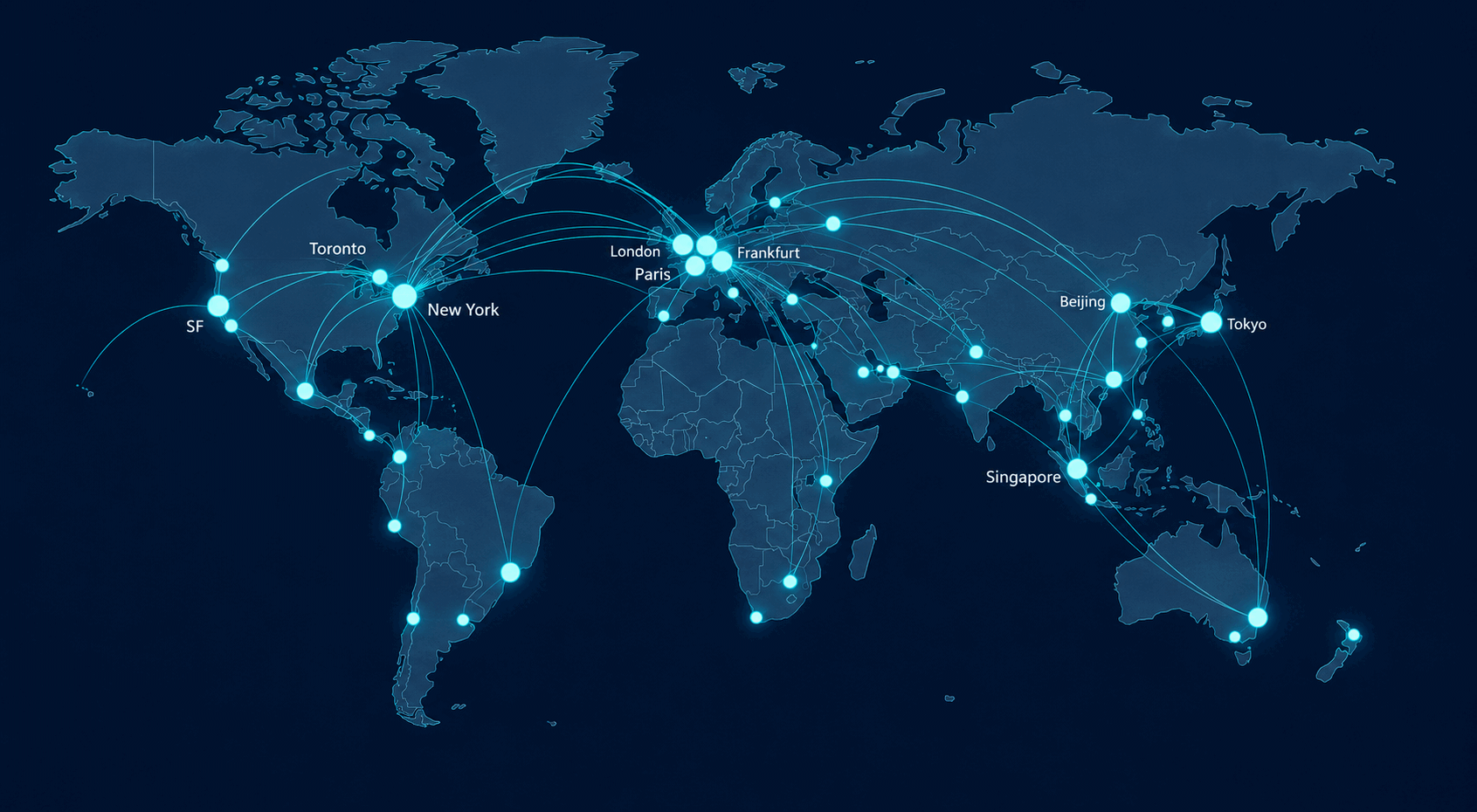
Cross-border data flows now require a formal "Data Protection Test" before transferring personal data to third countries (GDPR international transfers, UK GDPR and international transfers explained, data transfer regulations UK), often intersecting with blockchain legal analysis for decentralised systems. This replaces the previous adequacy-focused approach with a more practical assessment framework.
Controllers using Standard Contractual Clauses must now document how their specific transfer arrangement protects data subjects. The previous assumption that SCCs provided automatic compliance no longer holds. Each transfer requires individual assessment against the receiving country's legal framework and practical enforcement landscape.
Standard Contractual Clauses are necessary but no longer sufficient. The Data Protection Test demands documented, transfer-specific analysis.
For organisations operating AI infrastructure across jurisdictions, this creates immediate action items. Transfer documentation must be updated. Vendor contracts require review. And the technical measures supporting transfers need explicit mapping to the new test criteria.
How I Have Guided Clients Through This Directly
Having mapped the landscape, here is how I have guided clients through this directly:
I have spent more than 20 years advising C-suite leaders where international patent law, technology business law, and AI strategy collide, supported by executive-level AI coaching and adoption strategy, and that perspective matters when explaining UK data protection law. With a PhD in Data Science, multi-jurisdiction legal practice across APAC, the US, and Europe, and direct responsibility for cross-border technology rollouts, I read UK GDPR compliance not as a box-ticking exercise, but as a business-critical framework that affects product design, IP monetization, regulatory risk, and market access (accountability and governance, British data protection laws).
Compliance Tools for UK Data Protection
The 19 June 2026 deadline introduces a mandatory complaints-handling requirement that applies to every organisation regardless of size. Controllers must acknowledge data protection complaints within 30 days and provide a full response "without undue delay." The ICO confirmed existing customer service systems can be adapted rather than replaced, but the data protection-specific workflow must exist (GDPR compliance checklist UK).
The 30-day acknowledgment deadline applies universally. No exemptions exist for small businesses or specific sectors.
Cookie consent requirements also shifted. Statistical and appearance cookies no longer require affirmative consent if an opt-out mechanism exists. Only strictly necessary cookies remain fully exempt. Organisations can now remove unnecessary consent banners for these categories, improving user experience while maintaining compliance.
Data breach notification remains at 72 hours for serious incidents (data breach notification). Privacy impact assessments continue as essential documentation for high-risk processing (what are the principles of the UK GDPR). The accountability principle demands organisations demonstrate compliance rather than simply claiming it.
What UK Governance Means for 2025-2026 Strategy
UK data protection law has diverged meaningfully from EU GDPR. This divergence creates both opportunity and complexity for organisations operating across both jurisdictions. The practical takeaways are clear: update privacy notices to reflect recognised legitimate interests, audit cookie implementations against the new consent categories, reassess ADM safeguards against ICO draft guidance, and establish a compliant complaints procedure before June 2026 (how do international transfers affect UK data protection, what compliance tools are available for UK GDPR).
UK governance is no longer a mirror of EU rules. Treating them identically creates compliance gaps on both sides.
The organisations gaining advantage in 2026 are those treating compliance infrastructure as competitive positioning. Faster contracting, cleaner due diligence, and defensible data practices translate directly to commercial outcomes.
This week, review your current transfer documentation against the new Data Protection Test requirements. If gaps exist, address them before they become inquiry triggers. For a comprehensive compliance assessment aligned with your AI and IP strategy, book a consultation with Dr. Rahul Dev to ensure your UK data protection law approach supports both regulatory confidence and business growth.
Frequently Asked Questions
What is the UK Data Protection Act 2018?
What is UK GDPR compliance?
UK GDPR compliance is all about following rules to keep people's data safe. It ensures that businesses handle personal data legally and fairly. Think of it like a set of instructions for safely using a computer without breaking it. A study by The Guardian in 2025 revealed many UK businesses adopting new software to make GDPR compliance easier and more effective. These tools are crucial for complying with UK data protection law.
What is ICO guidance for businesses?
What is lawful basis under UK data protection law?
What is GDPR international transfers?
GDPR international transfers are rules for moving data across countries outside the UK. They're like guardrails that ensure data stays secure even when traveling. A recent CNET article from 2025 discussed a UK company using EU-approved tools to handle international data transfers safely. Secure transfers are essential for maintaining compliance with UK data protection law, ensuring data remains protected no matter where it goes.
Editorial note: TechCorpLegal summarizes public legal, regulatory, and technology materials in plain English. This page is informational only and is not legal advice. Readers should consult qualified counsel before acting on legal or compliance questions. This topic is also tracked in TechCorpLegal's LexOS intelligence system, which cross-references laws, jurisdictions, and legal tech tools. Have a question about this? Get in touch with Dr. Rahul Dev.