Cybersecurity Law
Cybersecurity law now defines how organizations operate, report incidents, and maintain compliance across jurisdictions. This guide explains the evolving 2026 regulatory landscape and how businesses can align legal obligations with technical controls.
Understanding Cybersecurity Law requires more than knowing that the rule or topic exists. This page clarifies scope, who may be affected, the main obligations and the practical implementation questions that matter.
Author: Dr. Rahul Dev: PhD Data Scientist, Technology Law & Patent Attorney, and AI Educator with 20+ years advising global CEOs and CXOs on tech, business, and legal innovation.
Connect on LinkedIn or explore more here.
Dr. Rahul Dev brings over two decades of hands-on experience advising on international patent and technology business law, where cybersecurity law increasingly defines market entry and operational risk, often intersecting with patent strategy and innovation protection.
Dr. Rahul Dev works across technology law, patent strategy, AI strategy and data science, bringing a cross-disciplinary perspective to TechCorpLegal’s research and advisory work.
This analysis reflects verified 2026 regulatory developments, including CIRCIA’s 72-hour cyber incident reporting and 24-hour ransomware disclosure requirements for critical infrastructure, supported by ongoing regulatory intelligence and legal research.
For businesses operating in regulated sectors, cybersecurity law now dictates how quickly incidents must be reported, how systems are designed, and how penalties are calculated, requiring tools for legal service comparison and advisory selection across jurisdictions.
Through this cybersecurity law hub, readers gain a clear understanding of global reporting duties, critical infrastructure obligations, and practical compliance strategies, supported by evolving AI learning resources and training.
Twelve hours. That is how long you have to report a cybersecurity incident in China before regulators start calculating your fine. Miss that window, and penalties can reach ¥50 million or 5% of your annual revenue under the March 2025 amendments to China's Cybersecurity Law, particularly relevant for firms navigating blockchain legal analysis and cross-border infrastructure risks.
Cybersecurity law now operates on a global countdown clock, forcing organizations to adopt integrated compliance and digital transformation advisory approaches to meet evolving enforcement expectations.
Cyber Incident Reporting Requirements Across Jurisdictions
The divergence in reporting timelines creates immediate operational challenges for multinational enterprises. Under the U.S. Cyber Incident Reporting for Critical Infrastructure Act, covered entities must report cyber incidents within 72 hours and ransomware payments within 24 hours.
CIRCIA establishes no minimum-security requirements for critical infrastructure operators, creating a visibility-first approach without enforceable baseline standards.
China takes a harder line. The amended Cybersecurity Law requires a 12-hour reporting window from detection, including initial assessment and containment details submitted to the Cyberspace Administration of China. The EU Cyber Resilience Act mandates a 24-hour early warning followed by 72-hour formal notification.
Hong Kong's Protection of Critical Infrastructure Bill adds another layer with sector-specific requirements. Each jurisdiction now expects documented incident response playbooks supported by executive AI education and operational readiness.
Critical Infrastructure Protection and Sector-Specific Rules
The U.S. designates 16 critical infrastructure sectors under Presidential Policy Directive 21, all subject to CIRCIA oversight. These include energy, financial services, healthcare, and telecommunications.
The 2026 U.S. cyber strategy organizes critical infrastructure protection under six pillars, including securing infrastructure and shaping adversary behavior.
Financial services face layered compliance requirements spanning federal regulations, state laws, and international frameworks. The NIST Cybersecurity Framework remains the primary derivation for cybersecurity law compliance alignment.
Microsoft and other major cloud providers have restructured their incident escalation protocols, reflecting that critical infrastructure protection now demands architectural compliance, not just policy documentation.
Security Compliance Standards and Operational Controls
A comprehensive cybersecurity audit checklist includes asset inventory, access controls with multi-factor authentication, encryption, vulnerability management, and incident response planning.
China's cybersecurity compliance requires local data storage, 60-day activity logging, AES-256 encryption at rest, and TLS 1.3 or higher in transit.
Key 2026 data security strategies involve risk assessments, regulation-specific planning, automation, and workforce training aligned with cybersecurity law.
The EU Cyber Resilience Act requires secure-by-design principles and Software Bills of Materials for all digital products entering the EU market.
Under NIS2, Member States must provide maximum administrative fines for essential entities of at least €10 million or 2% of total worldwide annual turnover, whichever is higher; important entities have a lower minimum maximum ceiling. Other cybersecurity regimes use different penalty structures, so the applicable figure depends on the law and entity category. See NIS2 Article 34.
Having mapped the landscape, here is how I have guided clients through this directly.
I have spent more than 20 years advising boards, founders, and regulated enterprises where cybersecurity law meets international patent strategy, technology business law, and AI deployment.
In my work with blockchain and digital infrastructure companies, I delivered
I have also advised global enterprises deploying autonomous AI systems in regulated environments, aligning cybersecurity law with IP and governance strategy.
How to Achieve Security Compliance in Cybersecurity
Best practices include identifying standards, performing risk assessments, drafting policies, implementing safeguards, and building incident response plans.
Regulatory timing now matters as much as legal scope, with three major jurisdictions imposing distinct reporting windows and penalty structures.
Cybersecurity law now emphasizes timing as a core compliance factor, especially across the U.S., EU, and China.
Major technology companies have restructured compliance systems to treat cybersecurity law as market access infrastructure.
Why Incident Reporting Matters for Business Continuity
The 2026 Critical Infrastructure Security Forum reflects growing recognition that cybersecurity law affects every organization operating digital systems.
Treat security compliance not as a cost center, but as part of market access, enforcement readiness, and long-term IP monetization.
The convergence of cybersecurity law and data protection laws means that incident response, reporting, and product architecture must align globally.
Looking ahead, enforcement actions will increase as reporting deadlines take effect and regulatory scrutiny intensifies.
This week, prioritize a jurisdiction-specific cybersecurity law compliance checklist and incident reporting readiness before regulatory deadlines force immediate action.
Frequently Asked Questions
What is cybersecurity law?
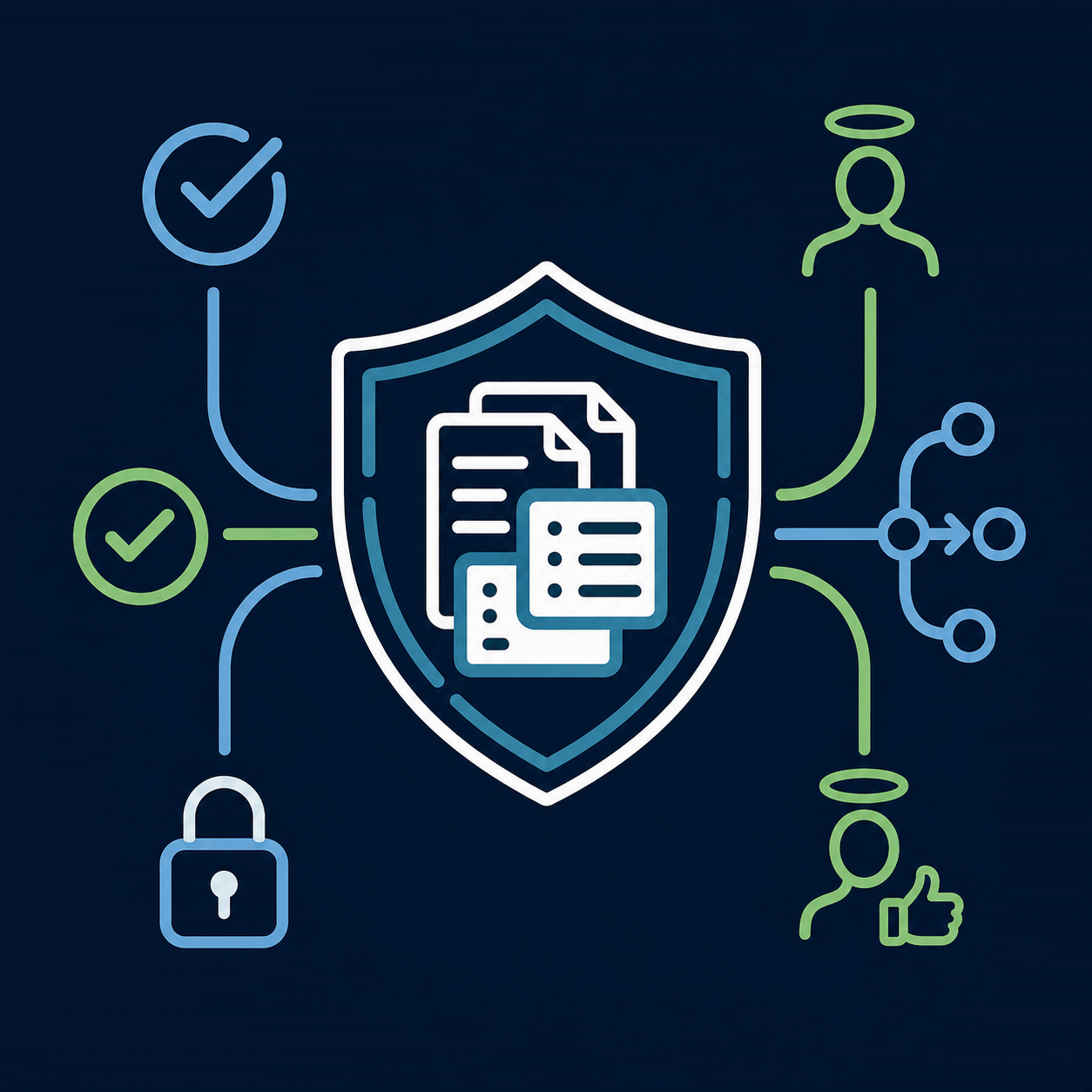
Cybersecurity law includes rules and regulations aiming to secure digital data and networks from threats. These laws help protect sensitive information from being stolen or damaged. Think of cybersecurity law as a digital shield protecting businesses and individuals from cyber attacks.
What is a cyber incident reporting requirement?
A cyber incident reporting requirement mandates organizations to report security breaches or cyber attacks to authorities within a specific time frame. This helps in swift action and prevention of further damage. It is similar to reporting a fire quickly to prevent it from spreading.
What are critical infrastructure rules in cybersecurity?
Critical infrastructure rules in cybersecurity protect essential services like power, water, and healthcare from cyber threats. These rules ensure systems remain secure and reliable, much like reinforcing physical security for valuable assets.
What is security compliance in cybersecurity?
Security compliance ensures that businesses follow rules and standards to protect data. It functions as a structured checklist that helps organizations prevent breaches and maintain trust.
What is a cybersecurity law compliance checklist?
A cybersecurity law compliance checklist outlines actions companies must take to meet legal requirements. Any numerical threshold, penalty, pricing or adoption figure should be verified against the current primary source before reliance.
Editorial note: TechCorpLegal summarizes public legal, regulatory, and technology materials in plain English. This page is informational only and is not legal advice. Readers should consult qualified counsel before acting on legal or compliance questions. This topic is also tracked in TechCorpLegal's LexOS intelligence system, which cross-references laws, jurisdictions, and legal tech tools. Have a question about this? Get in touch with Dr. Rahul Dev.
For related decision context, see platform liability law.