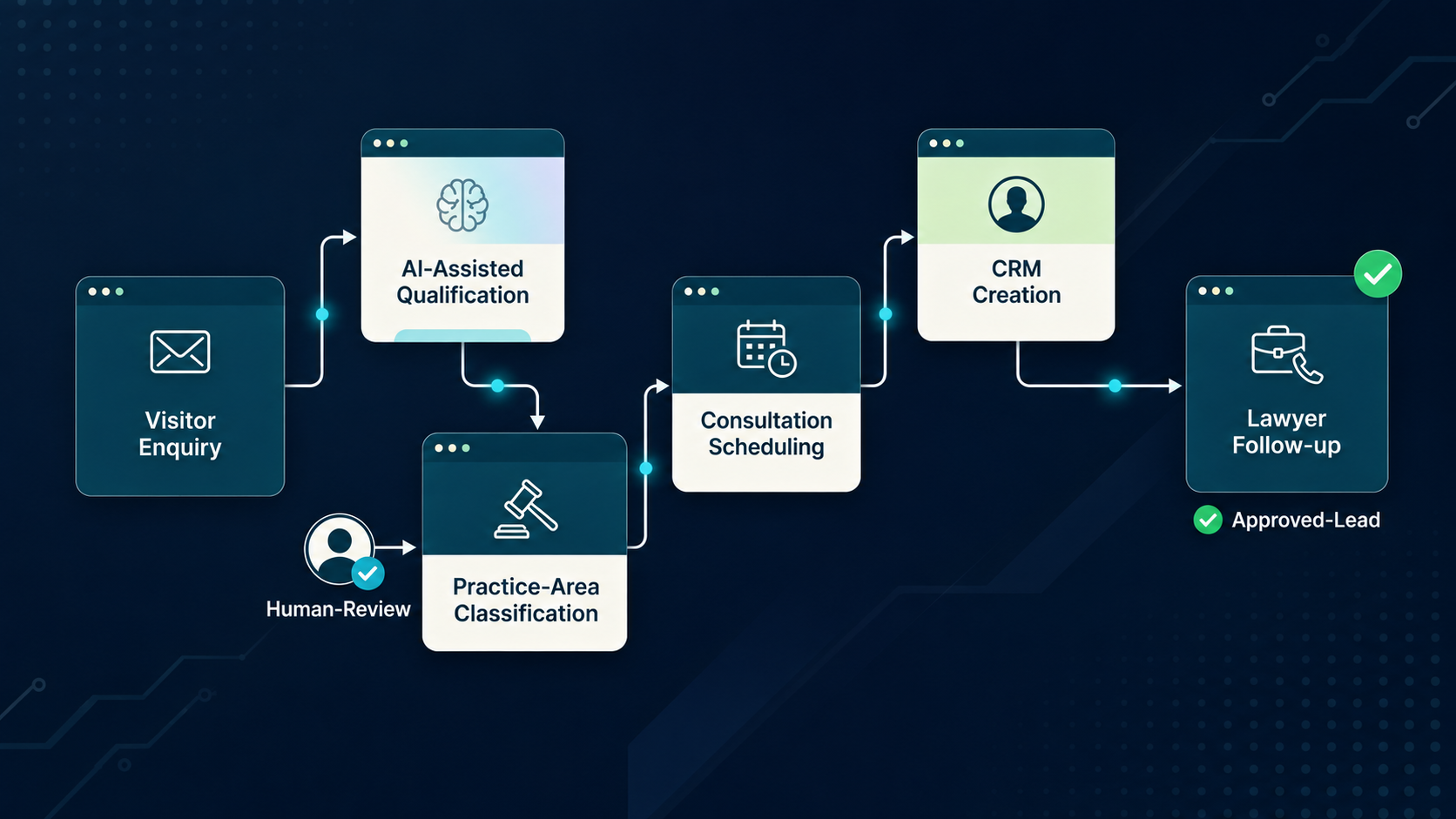
AI can support compliance operations through obligation retrieval, mapping, monitoring, triage and evidence organization, but it should not be treated as the final decision-maker on legal applicability or compliance.
Use AI to support compliance operations, not declare compliance
AI can help retrieve obligations, classify documents, map controls, summarize changes, organize evidence and triage potential issues.
Related TechCorpLegal research
Continue through the most relevant connected research:
Keep the authoritative source visible
Regulatory conclusions should trace back to current primary law, regulator guidance or approved internal interpretation.
Separate obligation extraction from applicability analysis
Extracting a requirement from text is different from deciding whether it applies to a particular entity, product or activity.
Use human escalation for ambiguity and impact
Novel interpretations, enforcement exposure and material exceptions require qualified review.
Monitor change
Compliance workflows should track source dates, versions, ownership and review triggers as laws and guidance change.
Limitations and decision guidance
- AI assistance is not proof of legal compliance.
- Jurisdiction-specific obligations must be verified against current official sources.
- Automated regulatory summaries can become stale without change monitoring.
Frequently asked questions
How can AI support compliance work?
Through retrieval, classification, obligation extraction, evidence organization, monitoring and triage.
Can AI determine whether a company is compliant?
Not reliably as a universal function; applicability, interpretation and facts require qualified analysis.
What should be stored with an AI-generated compliance summary?
Authoritative source, date/version, jurisdiction, reviewer and any assumptions or limitations.
Decision framework and implementation research
Obligation Mapping
A useful analysis of AI Compliance Automation for Legal Operations starts with obligation mapping. The team should define what is being decided, who owns the decision, what evidence is available and which assumptions remain untested. This prevents a broad technology objective from becoming an implementation commitment before the underlying workflow, risk and operating constraints are understood. The output should be a documented decision record that can be revisited when the use case, vendor, model, data source or legal environment changes.
Control Ownership
The second control point is control ownership. Legal AI work often fails when a technical capability is evaluated in isolation from the surrounding process. The relevant question is not simply whether a model can perform a task, but whether the organization can govern the inputs, review the outputs, route exceptions and maintain accountability. Evidence should therefore include workflow observations, user requirements, security and data constraints, and the human steps that remain authoritative.
Evidence Capture
For evidence capture, teams should distinguish a demonstration from production evidence. A successful demo may show that a task is technically possible, but production suitability depends on repeatability, error handling, integration, data treatment, access controls and the cost of supervision. A useful review records both positive evidence and failure conditions, because limitations often determine whether the use case should be deployed, narrowed, redesigned or deferred.
Monitoring Triggers
monitoring triggers should also be evaluated across the full operating lifecycle. Initial configuration is only one stage. Organizations need a position on ownership after launch, change approval, documentation, user support, monitoring, incidents, vendor changes and retirement. This lifecycle view reduces the risk of creating a one-off pilot that cannot be governed once it becomes embedded in everyday legal work.
Exception Handling
A practical decision framework for exception handling should use explicit criteria rather than a single headline metric. Quality, risk, speed, user effort, control effectiveness and implementation burden may all matter, but their weight depends on the workflow. High-volume low-consequence tasks can justify a different review model from advice, filings, investigations or other work where an error can materially affect rights, obligations or strategy.
Audit Trail
Finally, audit trail needs an evidence and review loop. The organization should define what will be measured, how exceptions will be captured, who can pause or change the workflow and when the decision must be reconsidered. This turns AI Compliance Automation for Legal Operations from a static technology choice into a governed operating decision. The framework should remain proportionate: additional controls are valuable only when they address a real risk, dependency or accountability requirement.
Implementation note: The appropriate approach depends on the organization, workflow, data, risk tolerance and applicable law. A pilot or assessment should therefore be designed to produce evidence for a specific decision rather than to validate AI adoption in the abstract.
Evidence and sources
Sources are listed for transparency. Time-sensitive legal, regulatory and vendor statements must be rechecked immediately before publication or reliance.
- S01 — NIST: NIST Artificial Intelligence Risk Management Framework (AI RMF 1.0). Official/source page (accessed 2026-08-10)
- S12 — EUR-Lex: Regulation (EU) 2024/1689 — Artificial Intelligence Act. Official/source page (accessed 2026-08-10)
- S13 — European Commission: European Commission — AI Act regulatory framework and application timeline. Official/source page (accessed 2026-08-10)
- S15 — European Commission: European Commission — AI Act regulatory framework and application timeline. Official/source page (accessed 2026-08-10)
- S17 — European Commission: European Commission — Guidelines for providers and deployers of AI high-risk systems. Official/source page (accessed 2026-08-10)
- S16 — European Commission: European Commission — Guidelines on transparency obligations for providers and deployers of AI systems. Official/source page (accessed 2026-08-10)
Related TechCorpLegal resources

PhD Data Scientist, Technology Law & Patent Attorney, and AI Educator with 20+ years advising global CEOs and CXOs on technology, business and legal innovation.
Need help applying this framework to your legal function?
Use the research framework to identify your current position, then discuss the workflow, governance, vendor or implementation questions that require deeper analysis.
Discuss This with TechCorpLegal