Kira Systems Tool Profile
Research status: Review material legal, regulatory and product claims against the linked primary or first-party sources before relying on them for a specific decision.
Kira Systems contract analysis sits at the intersection of AI, legal workflows, and regulatory compliance. This article explores how it transforms due diligence, enterprise adoption, and governance strategy in 2025-2026.
Author: Dr. Rahul Dev: PhD Data Scientist, Technology Law & Patent Attorney, and AI Educator with 20+ years advising global CEOs and CXOs on tech, business, and legal innovation.
Connect on LinkedIn or explore more here.
Dr. Rahul Dev applies over two decades of experience in international patent law and technology business law to evaluating AI-driven contract tools such as Kira Systems contract analysis in transactional environments, including work on patent strategy and cross-border IP risk. He has advised teams and enterprises on deploying AI platforms for cross-border due diligence, contract review, and regulatory risk assessment.
His work has been featured in Bloomberg, CNBC-TV18, and Economic Times, and includes com/">IP research and regulatory intelligence, reinforcing his authority on AI-assisted contract intelligence platforms like Kira Systems contract analysis.
As of 2026, adoption of AI-powered contract review platform tools has accelerated, with Kira Systems reporting 90%+ clause extraction accuracy across more than 1,400 provisions, alongside governance controls for Generative AI usage, often benchmarked in broader law firm discovery and market validation exercises. These developments place Kira Systems contract analysis at the center of risk management, M&A due diligence, and regulatory compliance strategies.
For legal, compliance, and deal teams, understanding how Kira transforms contract review workflows is now a necessity, particularly when supported by AI learning resources that help teams operationalize adoption. This article explains how Kira Systems works, where it fits in due diligence processes, what adoption signals reveal, and how organizations can assess its regulatory and operational impact.
Most contract reviews still miss critical provisions buried in data rooms, even when six-figure legal teams spend weeks on due diligence. The math is brutal: manual review covers 50 to 100 contracts while thousands sit unexamined. Kira Systems contract analysis changes that equation entirely, processing over 450,000 documents with 90%+ accuracy across 1,400 provisions. For executives weighing AI-driven contract review tool adoption, the question is not whether to automate contract review but whether your current approach creates hidden exposure, a concern frequently raised in blockchain legal analysis and digital compliance discussions.
What Is Kira Systems Contract Analysis and How Does It Work
Kira Systems operates as an AI-powered contract intelligence platform that combines supervised machine learning contract analysis with 45,000+ hours of lawyer training. The system identifies, extracts, and analyzes provisions without relying on keyword matching alone. Instead, it maps correlations across thousands of factors to classify documents and extract actionable data points.
The platform supports 100+ languages and 50+ agreement types, operating in cloud or on-premises environments, often integrated into broader technology consulting and enterprise AI deployments. This flexibility matters for enterprises navigating data localization requirements across jurisdictions. Litera acquired Kira Systems in 2021, integrating it into a connected legal tech ecosystem alongside drafting and knowledge management tools.
Kira processes thousands of contracts with greater accuracy than manual review ever achieved on fifty documents.
What separates Kira from simpler legal document review software is its hybrid architecture. Proprietary predictive models handle core extractions while optional Generative AI layers add natural language summaries and custom analysis. Users can toggle GenAI features on or off, maintaining governance-first control over outputs.
How Does Kira Systems Improve Due Diligence Workflows
This shift transforms deal economics. Where teams previously accepted blind spots as inevitable, Kira enables comprehensive risk identification across every document. Four of five Magic Circle firms in the UK and over one-third of the Am Law 100 have adopted the platform. By 2021, eighteen of the top twenty-five M&A practices were already using due diligence software like Kira for transaction work.
The real shift is reviewing all contracts in data rooms, not just selected samples with unknown gaps.
The software excels at extracting provisions relevant to regulatory compliance tools: anti-bribery clauses, force majeure terms, assignment restrictions, and lease abstractions. Audit teams use these extractions to identify risks quickly and increase review reliability. For sell-side and buy-side workflows, Kira delivers visibility that manual review simply cannot match at scale.
Best Features of Kira Systems for Enterprise Adoption
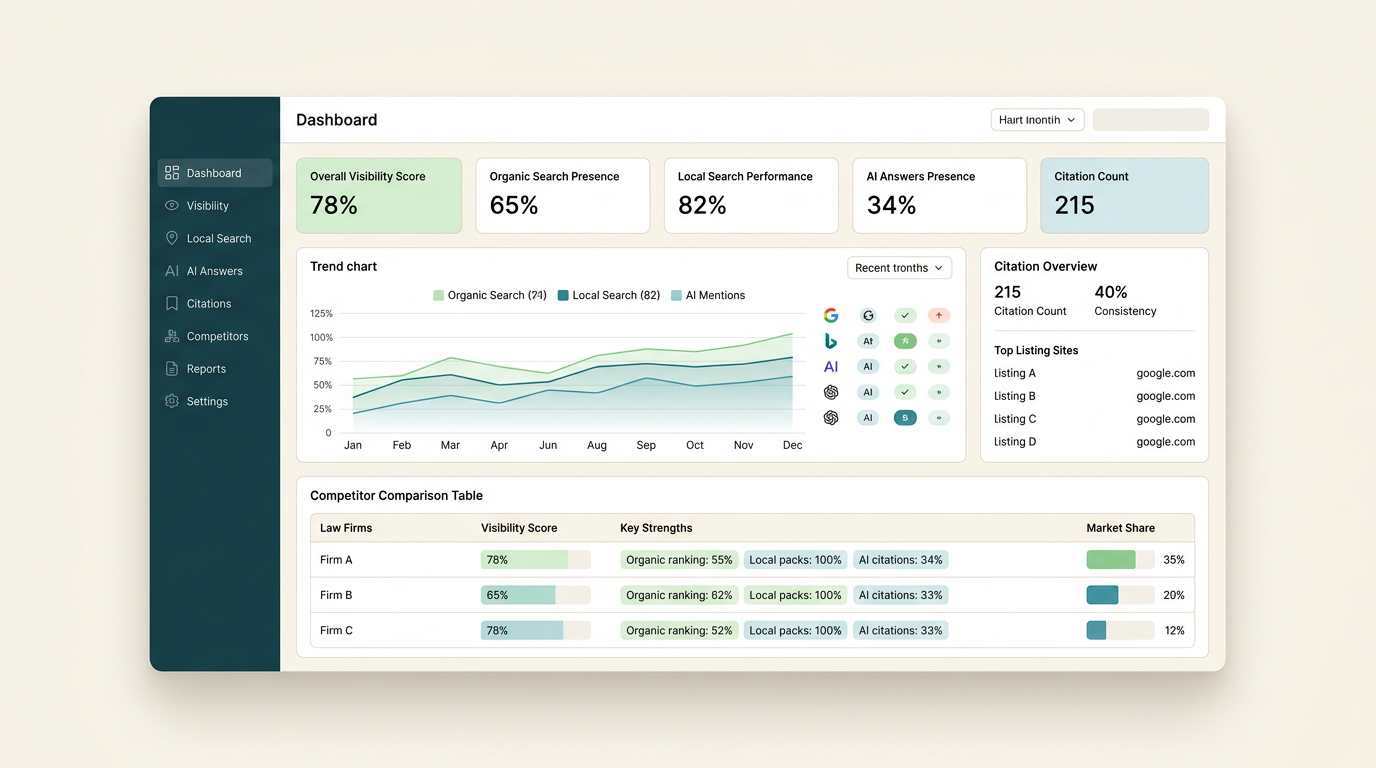
Data visualization dashboards surface patterns across contract portfolios within a compliance analysis platform environment. Customizable export formats support both raw extractions and summarized insights. The platform includes 24/7 live support alongside in-person training, live online sessions, and documentation for self-paced learning.
Governance-first AI controls let enterprises enable or disable GenAI features based on compliance requirements.
One critical feature often overlooked: Kira's governance controls directly address emerging regulatory concerns. With the EU AI Act creating new compliance obligations for AI-assisted decision-making, the ability to disable generative features while maintaining core extraction capability provides operational flexibility that many competitors lack, a topic frequently addressed in AI coaching for executive adoption.
Having mapped the landscape, here is how I have guided clients through this directly:
I have spent 20+ years at the intersection of international patent law, technology business law, and AI strategy, advising C-suite leaders on how AI tools create not just efficiency, but defensible legal and commercial advantage. When I assess a platform such as Kira Systems software, I look beyond a standard Kira Systems review: I examine whether the contract analysis engine, governance controls, and deployment model can withstand cross-border scrutiny, protect IP, and improve deal outcomes.
In 2025-2026, the executive blind spot is treating AI contract review as a software procurement question instead of an IP, regulatory, and governance question. With the EU AI Act, expanding cross-border data enforcement, and increasingly contested AI patent claims around model-assisted extraction and workflow automation, the real issue is whether a due diligence software stack can scale without creating hidden exposure. I see that risk repeatedly in Kira Systems contract analysis deployments and adjacent legal technology rollouts.
Why Choose Kira Systems for Regulatory Compliance
Regulatory relevance extends beyond extraction accuracy. The platform helps corporations respond to regulatory changes by surfacing contract provisions that create obligations or risks. Compliance tracking supports specialty contract management across banking, finance, audit, and corporate sectors.
The executive blind spot is treating AI contract review as software procurement instead of a governance question.
Kira Systems Contract Analysis in 2025-2026
Three takeaways define the current moment. First, Kira Systems contract analysis delivers measurable time savings and accuracy improvements validated by elite law firms globally. Second, governance-first controls position the platform well for emerging AI regulatory requirements. Third, the Litera integration creates ecosystem benefits but may introduce pricing and strategic considerations that warrant evaluation.
Prioritize provable governance, jurisdiction-ready workflows, and IP defensibility before speed alone.
Looking ahead, expect AI contract review platforms to face increasing scrutiny around privilege protection, cross-border data handling, and output reliability for regulated decisions. The platforms that survive will demonstrate compliance-ready governance alongside extraction performance.
This week, audit your current contract review workflows against the 10x volume improvement Kira enables. Identify which provisions create the greatest risk exposure in your deals. Then determine whether your current approach surfaces those risks comprehensively or leaves gaps that affect deal outcomes.
If you are evaluating Kira Systems features, pricing, or broader AI contract review strategy, contact Dr. Rahul Dev to discuss how governance, IP, and regulatory considerations should shape your adoption roadmap.
Frequently Asked Questions
What is Kira Systems contract analysis?
What is Kira Systems software?
What is Kira Systems contract review?
What are Kira Systems adoption signals in legal practices?
What are the best features of Kira Systems?
Editorial note: TechCorpLegal summarizes public legal, regulatory, and technology materials in plain English. This page is informational only and is not legal advice. Readers should consult qualified counsel before acting on legal or compliance questions. This topic is also tracked in TechCorpLegal's LexOS intelligence system, which cross-references laws, jurisdictions, and legal tech tools. Have a question about this? Get in touch with Dr. Rahul Dev.