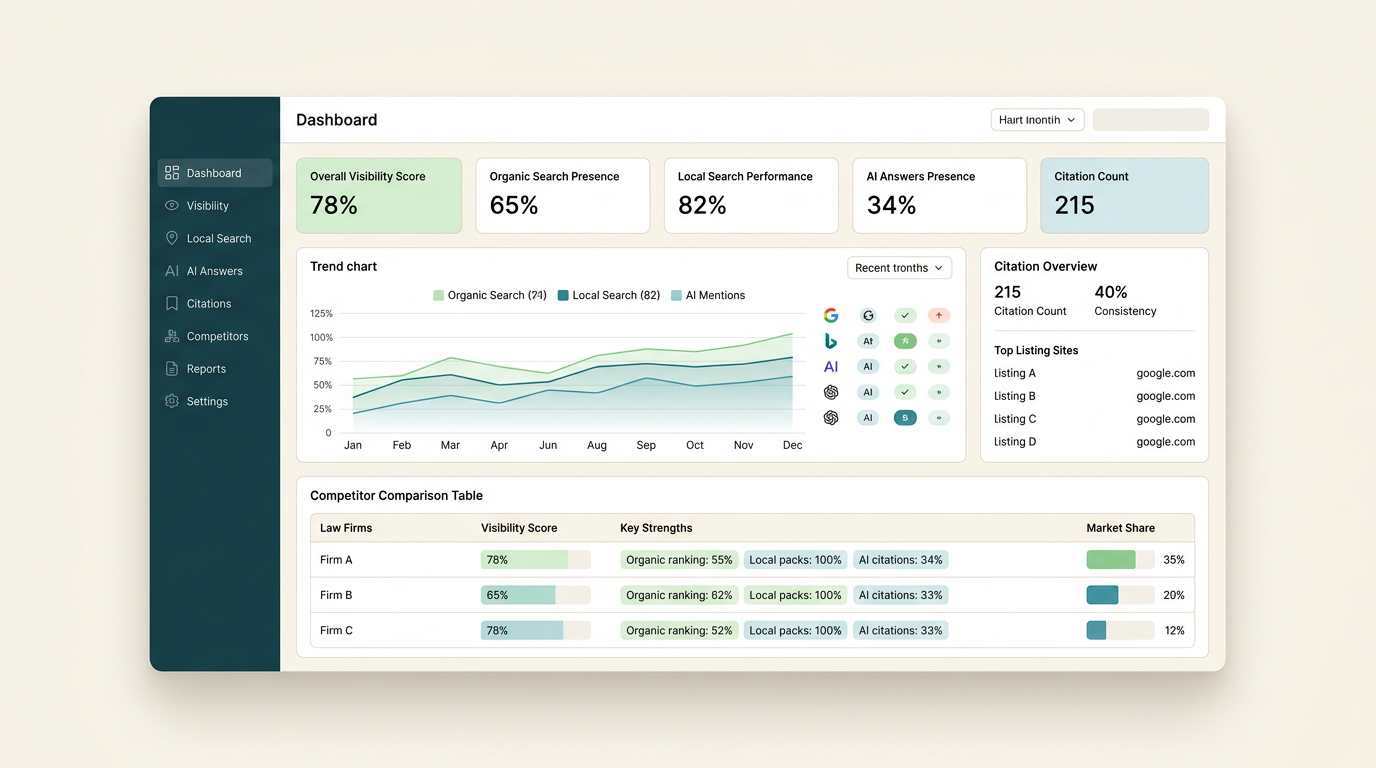
Generative AI can support legal research, drafting, summarization, contract analysis, knowledge retrieval, intake and reporting, but usefulness depends on the workflow. Legal departments should design source verification, confidentiality, human review and deployment controls around each use case rather than treating GenAI output as inherently reliable.
Legal-department GenAI use cases
Generative AI can support many legal workflows, but the relevant question is whether it improves a defined task under acceptable controls. Common candidates include summarization, first-pass drafting, research assistance, contract analysis, knowledge retrieval, matter intake and reporting. Each should be evaluated separately because source quality, confidentiality and consequence of error differ.
Thomson Reuters' 2026 reporting indicates that GenAI use in corporate legal departments has increased materially from the prior year. Adoption shows that legal teams are experimenting and deploying more actively, but it does not prove that every use case is effective. The department should still require evidence at the workflow level.
Research, drafting and summarization
GenAI can accelerate synthesis when the user has authoritative source material and a clear review method. In research, the system may help identify themes, structure questions or summarize retrieved documents. In drafting, it may produce a first version using supplied facts, templates or style guidance. The professional remains responsible for verifying law, facts and citations where the work requires them.
The workflow should make source boundaries visible. If the model can answer from general model knowledge, reviewers may find it difficult to distinguish grounded content from unsupported generation. Retrieval, citations or controlled source sets can improve reviewability, but they do not eliminate the need to check material conclusions.
Contracts and document analysis
Contract workflows can use GenAI to summarize provisions, identify clauses, compare language or draft proposed text. Effectiveness depends on document quality, defined standards and how exceptions are handled. A system may perform well on common language but struggle with unusual structures, scanned material or cross-document dependencies.
Human review should reflect consequence. A low-risk internal summary may need a different review process from a proposed contractual change. Teams should also record whether the model is working from the full agreement, related schedules and authoritative clause standards before relying on an analysis.
Knowledge retrieval and intake
Legal knowledge systems can use generative interfaces to help users locate and synthesize internal material. The critical design question is authority: which repository is current, who owns the content and how conflicting documents are handled. Better natural-language retrieval does not cure weak knowledge governance.
Intake workflows may use GenAI to summarize requests or extract structured information before routing. The department should define what happens when inputs are incomplete or ambiguous and ensure that sensitive information is handled within approved systems. The generated summary should not silently replace the original request as the authoritative record.
Hallucination and verification
Generative models can produce plausible but unsupported statements. Verification should therefore be designed into the workflow rather than treated as general user caution. Reviewers need access to authoritative sources and should know which fields, citations, conclusions or facts require confirmation before the output is used.
The appropriate review intensity depends on consequence and source structure. A brainstorming task can tolerate more uncertainty than legal analysis delivered to a decision-maker. The department should classify uses so that the burden of verification is proportionate and visible.
Confidentiality and data governance
Legal departments should understand what information is sent to the model or vendor, whether it is retained or used for training, who can access it and what integrations are active. Enterprise controls may reduce risk, but workflow-specific questions remain important for privileged, regulated or sensitive information.
NIST's Generative AI Profile provides voluntary cross-sector risk-management guidance that can help teams structure questions around GenAI-specific risks. It should not be treated as a substitute for legal obligations, contractual requirements or internal policy.
Human review
Human review is not one uniform step. The reviewer may need to check factual accuracy, source authority, legal reasoning, commercial judgment, policy compliance or whether the output can trigger another workflow action. The process should state what is being reviewed and what happens when the reviewer cannot resolve uncertainty.
Training should reflect those review duties. Users who understand how to prompt but not how to validate outputs can create a false sense of reliability. The department should teach the approved workflow, sources, boundaries and escalation rules rather than only product features.
Implementation and measurement
A GenAI pilot should test representative work, difficult cases and known failure modes. Useful measures may include review effort, quality observations, rework, adoption, turnaround, exceptions and control failures. The purpose is to determine whether the workflow creates enough value under the required controls to justify scale.
The department should also monitor changes after launch. Models and vendor features evolve, source repositories change and users develop new practices. Review dates and ownership help ensure that a workflow approved under one set of assumptions does not continue indefinitely after those assumptions change.
GenAI deployment checklist
Before a legal GenAI workflow is scaled, the team should know what authoritative sources the model is expected to use, which facts or conclusions require verification, what confidential information may be processed, which users are approved and how errors are corrected. It should also define the difference between a drafting aid, an internal research assistant and an output that will influence an external legal or business decision. Those categories usually need different levels of review.
The department should record the model or service configuration that was evaluated and identify who monitors material changes. GenAI products can change rapidly, and a workflow approved after one pilot may behave differently after a model, retrieval layer or integration is updated. A review process protects the organization from treating an earlier test as permanent evidence. Deployment is stronger when source quality, user responsibility, product change and measurement are all part of the operating record.
Frequently asked questions
What are the best legal-department GenAI use cases?
Common candidates include research assistance, drafting, summarization, contract analysis, knowledge retrieval, intake and reporting, subject to workflow-specific controls.
How should legal teams verify GenAI outputs?
Verify material facts, law, citations and conclusions against authoritative sources and define the review obligation before the tool is used.
Can legal departments use GenAI for contracts?
Yes, GenAI can support contract summarization, analysis and drafting, but document scope, clause standards, exceptions and human review remain important.
What confidentiality controls are needed?
Controls should address approved systems, data access, retention, training use, permissions, integrations, source authority and applicable confidentiality obligations.
How should a legal department pilot generative AI?
Pilot a defined workflow with representative cases, source controls, human review and pre-agreed measures for quality, effort, exceptions and adoption.
Evidence and sources
Related TechCorpLegal resources
About the research lead

Dr. Rahul Dev
Dr. Rahul Dev works across data science, patents, technology law, AI, legal workflows and business strategy. TechCorpLegal uses that interdisciplinary perspective to connect legal intelligence with governance, technology-selection and implementation decisions.
Discuss Generative AI Implementation
Start with the jurisdiction, workflow or business objective, current stage, systems or vendors involved, and the decision that needs to be made.
Information notice: This material is provided for information and research purposes only and does not constitute legal advice. Legal, regulatory, confidentiality, professional-responsibility and security requirements vary by jurisdiction, facts, systems and implementation context.